Research Post: Haus B by Yonder
Yonder- Architektur und Design is an architectural and design studio based in Germany. It was founded in 2011 by Katja Knaus and Benedikt Bosch in 2011. "By exploring space, material, construction and their interaction, Yonder creates living spaces that not only shape our perception of space, but also social interaction." (Architektur und Design, n.d.). The project I will be looking at is called Haus B which when translated from German to English directly translates to "House B".
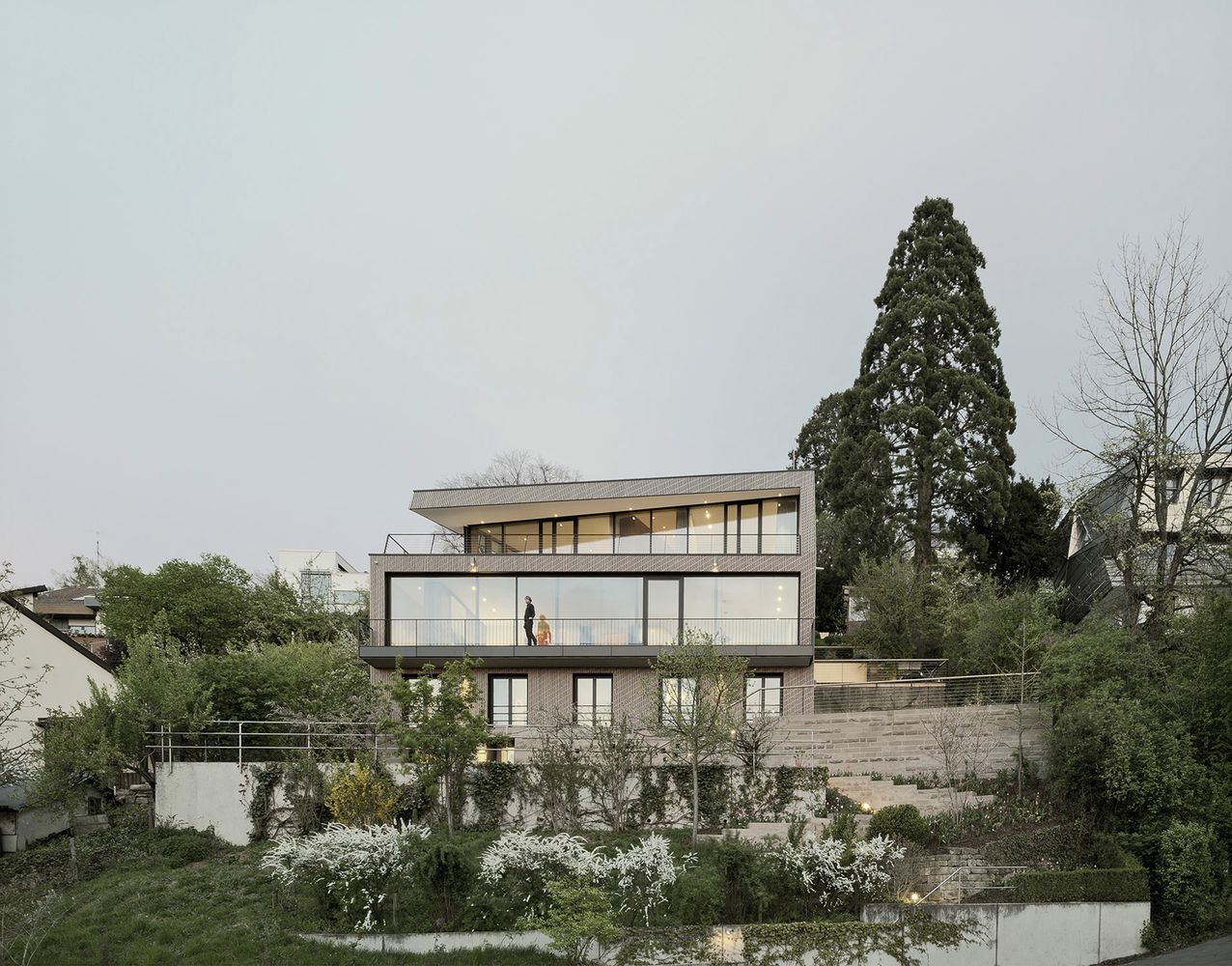
Haus B (2016) by Yonder- Architektur und Design
Haus B was done for a family of architects based in Germany. It was actually a renovation for a preexisting building from the 1950s. Yonder aimed to use as much as the old structure as possible so as to focus on sustainability. The reconstruction also aimed to make use of the space better and easier to use and enhance the view from the house as it faced a lovely basin shaped valley. Parts of the buildings roof and ground floor were removed and rebuilt using wood instead.They used wood as the main building material in order to give the house a more "natural" feel and to make it more environmentally friendly.The building's interior feels open and connected and it boasts and open staircase which connects the ground and upper floors. When asked about the importance of sustainability in their designs they answered, "Energetic sustainability should be a matter of course meanwhile. But not only technical attributes should serve as an add-on. Rooms and functions should be considered and sustainability developed beyond space: multi-functionality, subsequent use,etc." (Knaus, 2017). Bosch also mentioned, "The aspect of sustainability should not be overestimated. A building should be seen as a whole and then perhaps energetic sustainability is no longer the most important aspect. In a building which is basically very solid, with spacious rooms, good proportions and massive walls, one would like to live even a 100 years from now." (Bosch, 2017). On The topic of sustainability the building is classified as an EnergyPlus as it minimizes the use of energy. It uses geothermal wells to heat and cool itself through the use of underground water. The roof of the building is also clad with photovoltaic cells harnessing solar energy for its electrical system advantages and any excess electricity from the photovoltaic cells were used to power the electric charging station for vehicles.
I did research on this particular building as it does not have much fancy exterior layout but instead harnesses space. In my project I will focus on spacial flow in the transitioning from room to room. In addition, a lot of the building has sustainable systems and materials which I plan to put into consideration in my final project.
References
Architektur und Design, Y. (n.d.). Yonder — Architektur und Design. [online] Yonder — Architektur und Design. Available at: https://www.studioyonder.de/ [Accessed 11 Feb. 2024].
JUNG.de (2017). JUNG - Katja Knaus/Benedikt Bosch Questions for ... Architecture Talks. [online] www.jung.de. Available at: https://www.jung.de/en/5608/service/architecture-talks/questions-for/katja-knausbenedikt-bosch/ [Accessed 11 Feb. 2024].

.png)

Good you have had a go at writing about this however do try to look at more research on architecture itself and consider the design in relation to your own design in more detail - you need to understand a little more about the architecture of this building
ReplyDelete